
Every family facing divorce or child custody questions in Catawba, Burke, or Caldwell counties quickly learns that these matters are rarely just about paperwork. The path through family law involves emotional decisions, changing relationships, and financial impact that echo for years. With so much at stake, finding a team that offers comprehensive legal support during difficult transitions makes all the difference. This guide will help you separate common misconceptions from the real value that experienced family law attorneys provide.
Table of Contents
- Family Law Firms Explained And Misconceptions
- Divorce And Child Custody Representation
- Legal Expertise In North Carolina Courts
- Safeguarding Parental Rights And Interests
- Financial Implications And Long-Term Impact
Key Takeaways
| Point | Details |
|---|---|
| Comprehensive Support | Family law firms provide holistic support beyond legal representation, assisting clients through emotional challenges and facilitating collaborative solutions. |
| Navigating Custody Arrangements | Family law attorneys prioritize children’s welfare during custody discussions, focusing on fair arrangements and emotional stability. |
| Understanding Financial Implications | Divorce reshapes family finances; strategic planning is essential to navigate asset division and long-term financial stability. |
| Importance of Local Knowledge | Attorneys practicing in specific jurisdictions, like North Carolina, must be well-versed in state laws and local court procedures to effectively advocate for clients. |
Family Law Firms Explained and Misconceptions
Navigating divorce proceedings requires understanding the complex world of family law, which extends far beyond simple legal paperwork. Family law firms provide comprehensive legal support during emotionally challenging life transitions, offering more than just courtroom representation.
Family law encompasses a multifaceted approach to legal challenges involving personal relationships, emphasizing pragmatic legal strategies. Unlike popular misconceptions, these specialized legal practices do much more than file documents – they serve as strategic partners guiding clients through intricate legal and emotional landscapes.
Key services provided by family law firms typically include:
- Legal representation in divorce proceedings
- Child custody negotiations
- Asset division and financial settlements
- Mediation and conflict resolution
- Emotional support and professional guidance
Many individuals mistakenly believe family law attorneys are solely adversarial litigators. In reality, these professionals aim to minimize conflict and find collaborative solutions that protect all parties’ interests. They understand that family legal matters involve complex human dynamics beyond strict legal interpretations.
To better understand family law firm services versus common misconceptions, consider the following comparison:
| Aspect | Popular Misconception | Actual Family Law Firm Role |
|---|---|---|
| Legal Approach | Purely adversarial, focused on winning | Collaborative, seeks balanced outcomes |
| Scope of Support | Only courtroom representation | Holistic guidance and emotional support |
| Conflict Resolution | Encourages disputes | Promotes mediation and resolution |
| Client Communication | Formal and distant | Compassionate and strategic |
Legal expertise in family law requires deep understanding of state-specific regulations, interpersonal psychology, and negotiation techniques. Attorneys in this field must balance legal precision with compassionate communication, helping clients make informed decisions during emotionally charged situations.
Pro tip: Always schedule initial consultations with multiple family law attorneys to find the best professional who understands your unique situation and communication style.
Divorce and Child Custody Representation
Divorce and child custody proceedings represent some of the most emotionally complex legal challenges families can face. Family law attorneys play a critical role in navigating these intricate legal landscapes, ensuring that both parental rights and children’s best interests are carefully protected throughout the process.
Legal representation for children has evolved to recognize the unique perspectives and rights of children during divorce proceedings. This approach goes beyond traditional adversarial models, focusing on creating comprehensive solutions that support the entire family’s emotional and legal needs.
Key aspects of divorce and child custody representation typically include:
- Negotiating fair custody arrangements
- Protecting children’s emotional and legal interests
- Mediating communication between separating parents
- Developing comprehensive parenting plans
- Ensuring financial support and stability
Child custody determinations involve multiple complex factors. Attorneys must evaluate numerous elements to recommend arrangements that prioritize the child’s welfare, including:
- Each parent’s ability to provide care
- Existing relationships with children
- Stability of home environments
- Children’s educational and emotional needs
- Potential impact of proposed custody arrangements
Legal advocacy in these cases requires more than courtroom skills. Successful attorneys combine legal expertise with empathy, understanding the nuanced human dynamics that underpin family law disputes. They serve as strategic advisors, helping clients make informed decisions during emotionally charged situations.
Pro tip: Gather comprehensive documentation about your family situation, including financial records, communication logs, and evidence of parental involvement, to support your custody representation.
Legal Expertise in North Carolina Courts
Understanding the intricate legal landscape of North Carolina’s family court system requires specialized knowledge that goes far beyond basic legal representation. Family law attorneys who practice in this jurisdiction must navigate complex state-specific regulations, court procedures, and judicial expectations unique to North Carolina’s legal framework.
North Carolina family law courts provide a specialized judicial approach to resolving family legal matters, consolidating critical issues like divorce, child custody, and support before dedicated district court judges. These courts emphasize comprehensive case management and consistent resolution strategies that protect the interests of all parties involved.
Key aspects of legal expertise in North Carolina courts include:
- Deep understanding of state-specific family law statutes
- Familiarity with local court procedures and judicial preferences
- Ability to navigate complex custody and support guidelines
- Strategic approach to negotiation and litigation
- Comprehensive knowledge of North Carolina family court systems
Successful legal representation requires more than just knowledge of the law. Attorneys must demonstrate:
- Precise interpretation of North Carolina family law statutes
- Understanding of judicial discretion in family court proceedings
- Ability to prepare comprehensive legal documentation
- Strategic communication with court officials
- Empathetic yet professional client representation
Legal strategy in North Carolina courts demands a nuanced approach that combines technical legal knowledge with an understanding of local judicial dynamics. Experienced attorneys know that success depends not just on legal arguments, but on effectively presenting those arguments within the specific context of North Carolina’s family court system.
Pro tip: Request documentation of your attorney’s specific experience with North Carolina family courts, including their track record of successful case resolutions in your local jurisdiction.
Safeguarding Parental Rights and Interests
Parental rights represent a fundamental legal protection that ensures parents maintain critical decision-making authority and meaningful connections with their children during and after complex family transitions. Family law attorneys play a crucial role in protecting these essential rights, advocating for parents’ legal interests while simultaneously prioritizing the child’s welfare.

European legal standards emphasize balancing parental responsibilities with children’s best interests, establishing a framework that protects both familial relationships and individual rights. This nuanced approach recognizes that parental rights extend beyond biological connections, encompassing emotional, financial, and legal responsibilities.
Key aspects of safeguarding parental rights include:
- Protecting legal decision-making authority
- Ensuring fair custody arrangements
- Maintaining meaningful parent-child relationships
- Preventing unwarranted interference in parental roles
- Advocating for equitable financial support
Successful legal representation requires comprehensive strategies to protect parental interests:
- Documenting existing parental relationships
- Demonstrating consistent parental involvement
- Presenting evidence of parental competence
- Challenging inappropriate legal interventions
- Negotiating balanced custody agreements
Legal protection demands more than theoretical understanding. Experienced attorneys recognize that safeguarding parental rights requires a sophisticated approach combining emotional intelligence, strategic communication, and precise legal expertise. They work diligently to ensure parents’ voices are heard and their fundamental relationships with their children remain intact.
Pro tip: Maintain comprehensive documentation of your parental involvement, including communication records, financial support, and consistent engagement with your children.
Financial Implications and Long-Term Impact
Divorce represents more than an emotional transition; it fundamentally reshapes family financial dynamics with profound and lasting consequences. Financial complexity emerges as families restructure income, assets, and living expenses, requiring strategic planning and comprehensive legal guidance to mitigate potential economic challenges.
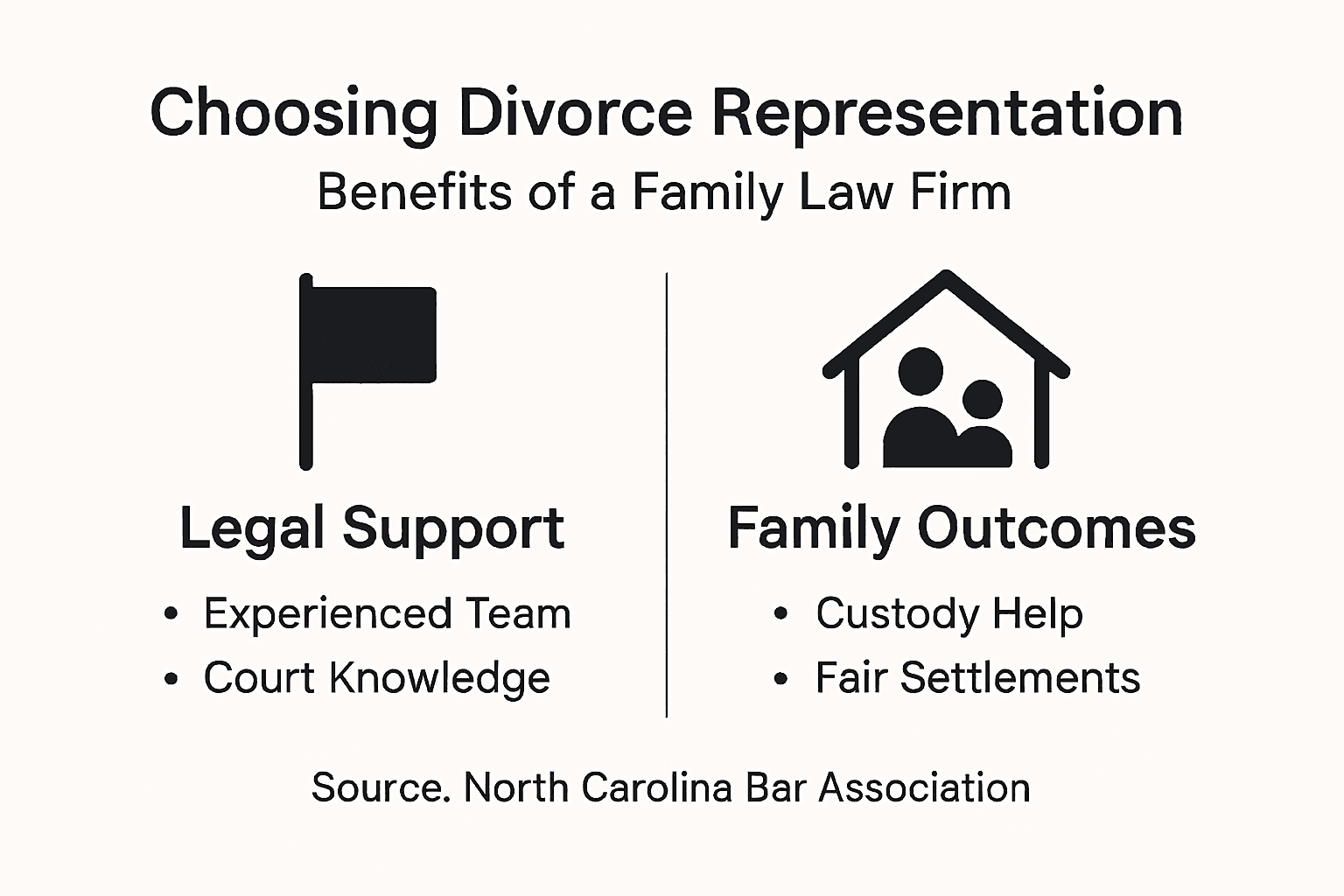
Long-term divorce impacts extend far beyond immediate monetary concerns, potentially influencing children’s future opportunities and economic stability. These financial repercussions can affect educational attainment, career trajectories, and overall socioeconomic prospects for multiple generations.
Key financial considerations during divorce include:
- Asset division and equitable distribution
- Spousal support and alimony calculations
- Child support payment structures
- Tax implications of property transfers
- Retirement account and pension redistribution
Critical financial strategies for navigating divorce involve:
- Conducting comprehensive financial inventories
- Understanding state-specific property division laws
- Protecting individual credit ratings
- Establishing independent financial accounts
- Creating revised personal budgets
Economic planning requires meticulous attention to both immediate and long-term financial landscapes. Experienced family law attorneys help clients understand complex financial interconnections, preventing potential economic pitfalls and ensuring more stable post-divorce financial foundations.
Here’s a summary of how financial decisions during divorce affect families over time:
| Financial Decision | Immediate Impact | Long-Term Outcome |
|---|---|---|
| Asset division | Changes household resources | Alters wealth accumulation |
| Child support setup | Affects child’s daily needs | Impacts educational prospects |
| Spousal support | Adjusts monthly budgets | Influences retirement savings |
| Property transfers | Modifies tax obligations | Reshapes financial stability |
Pro tip: Gather and organize all financial documentation before legal proceedings, including tax returns, bank statements, investment records, and asset inventories.
Secure Your Family’s Future with Trusted Legal Support
Divorce brings complex challenges like navigating child custody, alimony, and financial decisions. These issues can create emotional stress and uncertainty about your rights and your family’s long-term well-being. King & Rowe understands these pressures and offers compassionate, experienced guidance rooted in North Carolina law to protect your interests and those of your children.
Take control of your family’s future today by partnering with attorneys who prioritize client-centered solutions and aggressive advocacy. Visit King & Rowe’s family law services for personalized support tailored to your unique situation. Don’t face divorce alone—schedule a consultation now and benefit from our proven success navigating family law in Hickory and Newton. Your peace of mind starts with one call at King & Rowe.
Frequently Asked Questions
Why should I hire a family law firm for my divorce?
Hiring a family law firm can provide you with specialized legal expertise that ensures your rights are protected during the divorce process. They offer comprehensive support and strategic guidance, helping you navigate the complexities of emotional and legal challenges.
What services do family law firms offer during a divorce?
Family law firms typically offer a range of services including legal representation in divorce proceedings, child custody negotiations, asset division, mediation, conflict resolution, and emotional support.
How can a family law attorney help with child custody arrangements?
Family law attorneys help negotiate fair custody arrangements by evaluating various factors such as each parent’s ability to provide care, existing relationships with the children, and overall stability. They prioritize the best interests of the child while advocating for parental rights.
What are the financial implications of hiring a family law firm for divorce?
While hiring a family law firm involves legal fees, the investment can prevent costly mistakes in asset division, spousal support, and child support arrangements. Experienced attorneys help clients make informed financial decisions that can have long-term benefits.
Contact King & Rowe Attorneys at Law
 Serving Hickory, NC and surrounding communities
 Phone: 828-466-3858
 Email: kingrowelaw@gmail.com
 Website: www.kingrowelaw.com
Recommended
- Mediation vs. Litigation in Family Law: Which Is Right for You? – Hickory Attorneys for Family Law, Criminal Defense, & Estate Planning | King & Rowe
- My Spouse Just Asked for a Divorce – What Do I Do Now? – Hickory Attorneys for Family Law, Criminal Defense, & Estate Planning | King & Rowe
- Common Mistakes to Avoid During a Divorce in North Carolina – Hickory Attorneys for Family Law, Criminal Defense, & Estate Planning | King & Rowe
- What if My Partner Wants a Divorce and I Don’t? – Hickory Attorneys for Family Law, Criminal Defense, & Estate Planning | King & Rowe
- Marketing for Family Law Firms – Case Quota