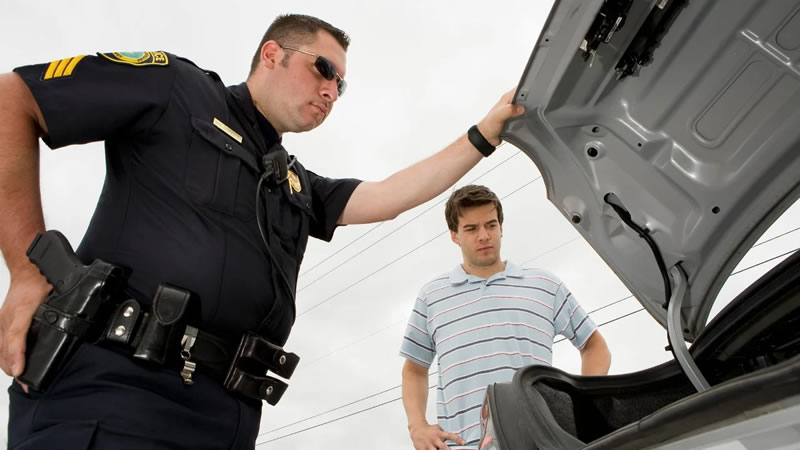
In North Carolina, many drivers believe that since hemp and CBD products are now legal, police can’t use the smell of marijuana as a reason to search a vehicle. Unfortunately, that assumption can get you into serious legal trouble.
While marijuana possession remains illegal in North Carolina, hemp — which looks and smells the same — is not. This has created a confusing gray area for law enforcement, prosecutors, and drivers alike.
At King & Rowe, Attorneys at Law, we’ve defended countless clients across Hickory, Newton, and the surrounding areas who were searched after an officer claimed to smell marijuana. Here’s what you need to know about how the law really works.
1. The “Odor Rule” in North Carolina Vehicle Searches
Traditionally, North Carolina courts have ruled that the smell of marijuana alone gives police probable cause to search a vehicle without a warrant.
That means if an officer says they smell marijuana, they can legally:
- Search your car, including the trunk and containers inside
- Detain you while they search
- Use anything they find (drugs, paraphernalia, weapons) as evidence against you
However, since industrial hemp was legalized in 2018 and is nearly indistinguishable in smell from marijuana, many attorneys have challenged this reasoning.
2. The Legal Gray Area After Hemp Legalization
Because hemp and marijuana look and smell the same, courts are beginning to question whether the “odor rule” still provides clear probable cause.
Some North Carolina judges have agreed that odor alone may no longer be enough to justify a search. Others still uphold the traditional rule, saying officers can rely on smell until marijuana laws change.
This inconsistency means your case could go either way, depending on the county and the judge.
3. What to Do If Police Say They Smell Marijuana
If you’re pulled over and an officer claims they smell marijuana:
- Stay calm and polite. Arguing or refusing to comply can make the situation worse.
- Don’t consent to a search. Even if the officer proceeds, your refusal can help your defense later.
- Say as little as possible. You’re not required to answer questions about what’s in the car.
- Contact a criminal defense attorney immediately. A lawyer can challenge whether the officer truly had legal grounds for the search.
4. How a Defense Attorney Can Challenge an Odor-Based Search
At King & Rowe, we carefully analyze every search and seizure case to determine if your Fourth Amendment rights were violated.
We can:
- Review body camera footage to see if the officer’s actions match their report
- Challenge whether the odor alone gave probable cause
- File a motion to suppress illegally obtained evidence
- Argue for dismissal of charges if the search was unconstitutional
These defenses can make a huge difference — especially in drug possession or paraphernalia cases.
5. The Bottom Line
Until marijuana laws change in North Carolina, the “smell test” remains a powerful (and controversial) tool for police. But it’s also one of the most challenged grounds for vehicle searches today.
If you’ve been charged after a traffic stop where police claimed to smell marijuana, it’s crucial to speak with a local attorney who understands this evolving area of law.
King & Rowe: Protecting Your Rights on the Road
At King & Rowe, Attorneys at Law, we fight to protect your rights and your record. Our team has extensive experience defending clients in Catawba, Caldwell, and Burke counties against drug-related and search-based charges.
We know how to challenge police searches — and we know how to win.
Call King & Rowe today at 828-466-3858 for a confidential consultation.