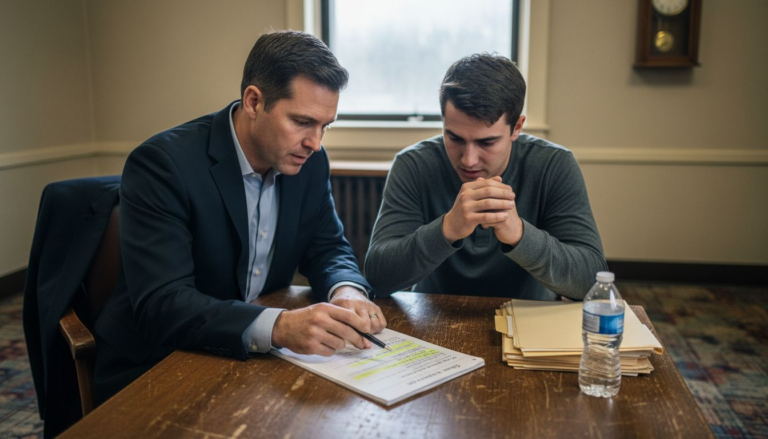
Facing a DUI stop in North Carolina can catch you off guard and instantly raise serious concerns about your rights and your future. Police procedures, field sobriety tests, and breathalyzers all create uncertainty and confusion, especially when mistakes or misunderstandings can mean life-changing consequences for your case. The legal maze is challenging, yet drivers often overlook powerful defense strategies hidden within these moments. This list breaks down actionable tactics you can use to challenge the legality of stops, test results, and evidence. You’ll discover practical steps that can make the difference between a conviction and your freedom—plus expert tips that help you spot key mistakes and protect yourself. Stay focused, because each item reveals a proven defense that could reshape your outcome.
Table of Contents
- Challenging The Traffic Stop Legality
- Questioning Field Sobriety Test Accuracy
- Disputing Breathalyzer Results
- Proving Medical Or Physical Conditions
- Mistakes In Police Procedure
- Rising Blood Alcohol Defense
- Demonstrating Lack Of Driving Impairment
Quick Summary
| Takeaway | Explanation |
|---|---|
| 1. Challenge Traffic Stop Legality | A traffic stop must have reasonable suspicion; without it, evidence may be inadmissible. |
| 2. Question Field Sobriety Test Accuracy | Field sobriety tests are not 100% reliable and can be impacted by various factors. |
| 3. Dispute Breathalyzer Results | Breathalyzer evidence can be contested with evidence of procedural errors and device issues. |
| 4. Prove Medical Conditions Impact | Certain medical conditions can impair test performance, providing a basis for defense. |
| 5. Document All Evidence of Impairment | Collecting evidence that shows safe driving can effectively challenge impairment claims. |
1. Challenging the Traffic Stop Legality
Every North Carolina driver should understand their legal rights when confronted with a potential DUI traffic stop. Challenging the legality of a traffic stop is a critical first line of defense that can potentially invalidate subsequent evidence and charges.
In North Carolina, law enforcement must have reasonable suspicion to initiate a traffic stop. This means police cannot randomly pull you over without a valid reason related to traffic safety or potential violation. Pretextual traffic stops represent a complex legal scenario where officers might use minor infractions as a pretext for broader investigations.
Key aspects of challenging a traffic stop’s legality include:
- Proving the initial stop lacked legitimate legal justification
- Demonstrating no observable traffic law violation occurred
- Highlighting procedural errors during the stop
- Showing discriminatory or arbitrary enforcement patterns
A legally questionable traffic stop can potentially render all subsequent evidence inadmissible in court.
Drivers can effectively challenge stops by documenting detailed information immediately after the incident:
- Note the exact reason given for the stop
- Record officer interactions and statements
- Identify potential witnesses
- Preserve any available video or audio recordings
Legal research indicates that traffic stops have mixed effectiveness in public safety outcomes. Understanding your constitutional protections becomes crucial in mounting a robust defense.
Pro tip: Always remain respectful during a traffic stop while carefully documenting all interactions and potential procedural irregularities.
2. Questioning Field Sobriety Test Accuracy
Field sobriety tests are a crucial component of DUI investigations in North Carolina. However understanding the scientific limitations of these tests can provide a powerful defense strategy for drivers facing potential charges.
Standardized field sobriety tests (FSTs) are not infallible. In fact field sobriety tests have inherent accuracy limitations with error rates that challenge their reliability as definitive evidence of impairment.
The most common field sobriety tests include:
- One-leg stand test
- Walk-and-turn test
- Horizontal gaze nystagmus test
Field sobriety test results can be challenged based on numerous external and personal factors affecting performance.
Multiple factors can compromise FST accuracy:
- Individual physical conditions
- Environmental challenges
- Inherent test design limitations
- Officer administration variability
Drivers can strategically challenge these tests by:
- Documenting medical conditions that might impact performance
- Recording environmental conditions during the test
- Requesting independent expert testimony on test limitations
Significant accuracy concerns emerge when courts evaluate constitutional grounds for these tests. The standardized tests collectively demonstrate only about 80% accuracy for blood alcohol content detection.
Pro tip: Always request a comprehensive medical evaluation and documentation immediately after a field sobriety test to preserve potential defense evidence.
3. Disputing Breathalyzer Results
Breathalyzer tests are often considered definitive evidence in DUI cases across North Carolina. However understanding how to challenge these scientific measurements can be a critical defense strategy for drivers facing potential charges.
Breath test results must comply with strict statutory rules and undergo significant legal scrutiny before being admitted as evidence. North Carolina law requires precise procedures and documentation for these tests.
Key strategies for disputing breathalyzer results include:
- Challenging device calibration records
- Questioning officer certification and training
- Examining maintenance logs
- Investigating potential equipment malfunctions
Procedural errors can render breathalyzer evidence inadmissible in court.
Defense strategies often focus on several critical areas:
- Device maintenance documentation
- Officer administration protocols
- Individual physiological factors
- Chain of evidence preservation
Implied Consent Law considerations mean that North Carolina breathalyzer laws require strict procedural compliance. Refusing a test carries administrative penalties but can be part of a broader defense approach.
Courts demand rigorous standards for breath test evidence including:
- Proper device certification
- Qualified personnel administration
- Adherence to observation periods
- Accurate record-keeping
Pro tip: Request comprehensive documentation of the breathalyzer device immediately after your test to preserve potential defense evidence.
4. Proving Medical or Physical Conditions
Not every DUI test failure indicates actual impairment. Medical and physical conditions can significantly impact field sobriety test performance in ways many drivers do not understand.
National Highway Traffic Safety Administration resources acknowledge that numerous health conditions can create false impressions of intoxication during testing.
Conditions that can impact test performance include:
- Inner ear balance disorders
- Neurological conditions
- Chronic pain syndromes
- Anxiety and panic disorders
- Age-related mobility limitations
- Orthopedic injuries
A legitimate medical explanation can transform an apparent DUI into a case of mistaken perception.
Key strategies for demonstrating medical impacts:
- Obtain comprehensive medical documentation
- Secure expert medical testimony
- Request independent medical evaluation
- Document preexisting physical conditions
Medical evidence can challenge field sobriety test reliability by explaining why an individual might perform poorly without being intoxicated. These conditions create significant testing performance variations.
Drivers should be prepared to provide:
- Detailed medical history
- Current medication information
- Professional medical assessments
- Diagnostic test results
Pro tip: Collect and preserve all medical records immediately after a DUI test to support potential future legal challenges.
5. Mistakes in Police Procedure
Every DUI case hinges on law enforcement following strict legal protocols. Police procedural errors can significantly undermine the prosecution’s case and provide critical defense opportunities for drivers facing charges.
Appellate decisions in North Carolina consistently demonstrate how procedural mistakes can lead to case dismissals or reduced charges.
Common procedural mistakes include:
- Improper traffic stop extensions
- Failure to read implied consent rights
- Mishandling chemical test evidence
- Violating constitutional search protections
- Inadequate documentation of arrest procedures
A single procedural misstep can transform a seemingly solid case into a potential legal defense.
Strategic approaches to identifying procedural errors:
- Review arrest documentation meticulously
- Examine officer body camera footage
- Request complete police report records
- Analyze chemical test administration protocols
North Carolina DUI laws require strict adherence to complex legal standards during arrest and evidence collection. Minor procedural violations matter significantly in court.
Drivers should document and challenge potential procedural issues such as:
- Timing of chemical tests
- Officer training certifications
- Evidence collection chain of custody
- Constitutional rights notifications
Pro tip: Immediately request and preserve all documentation related to your arrest to help your attorney identify potential procedural defense strategies.
6. Rising Blood Alcohol Defense
Not every blood alcohol test tells the complete story of a driver’s condition. The rising blood alcohol defense offers a scientifically grounded strategy for challenging DUI charges in North Carolina.
Blood tests taken hours after driving can produce misleading results that do not accurately represent a driver’s condition during the actual traffic incident.
Key aspects of the rising blood alcohol defense include:
- Understanding alcohol absorption rates
- Documenting precise timing of alcohol consumption
- Analyzing metabolic processing variations
- Challenging test result accuracy
The critical question becomes not what your blood alcohol level was when tested but what it was while driving.
Scientific principles supporting this defense involve:
- Individual metabolic differences
- Alcohol absorption timeline
- Potential margin of error in testing
- Expert pharmacokinetic testimony
North Carolina DUI laws recognize the complexity of blood alcohol measurement and allow for nuanced legal challenges based on scientific evidence.
Drivers should be prepared to demonstrate:
- Time and quantity of alcohol consumption
- Last drink timing
- Individual metabolic factors
- Potential absorption rate variations
Pro tip: Preserve all documentation related to your alcohol consumption and request immediate independent medical evaluation to support your rising blood alcohol defense.
7. Demonstrating Lack of Driving Impairment
A positive blood alcohol test does not automatically prove impaired driving. Legal strategies can challenge the assumption of compromised driving ability by presenting comprehensive evidence of safe vehicle operation.
DUI defenses focus on disproving impairment through careful examination of all available evidence and potential alternative explanations.
Critical elements for demonstrating lack of impairment include:
- Consistent driving performance
- Clear communication with officers
- Passing cognitive assessments
- Witness testimony of normal behavior
- Video evidence of controlled movement
Not every behavioral variation indicates intoxication.
Strategies for challenging impairment allegations:
- Collect independent witness statements
- Preserve traffic camera or dashcam footage
- Document precise driving conditions
- Request independent medical evaluation
North Carolina law recognizes nuanced impairment standards that require proving substantial driving incapacity beyond mere blood alcohol content.
Drivers can build strong defenses by demonstrating:
- Precise lane maintenance
- Appropriate speed control
- Proper signaling and turning
- Responsive reactions to traffic conditions
Pro tip: Immediately document and preserve any evidence showing your controlled and safe driving performance to support your defense strategy.
Below is a comprehensive table summarizing the key strategies and concepts for defending against DUI charges as explained in the article:
| Topic | Key Details | Notable Points |
|---|---|---|
| Traffic Stop Legality | Drivers should assess whether the traffic stop had proper legal grounds or if procedural errors occurred. | Improper stops can lead to evidence being inadmissible in court. |
| Field Sobriety Test Accuracy | Challenge the reliability of standardized field sobriety tests by demonstrating medical conditions, environmental factors, or test administration flaws. | Such tests have limitations and are not infallible, supporting potential legal defenses. |
| Breathalyzer Results | Investigate device calibration, officer training, and procedural compliance regarding the administration and maintenance of breathalyzer machines. | Errors can invalidate breathalyzer results as evidence. |
| Medical or Physical Conditions | Highlight underlying health issues that could impair performance during DUI testing, such as neurological or balance disorders. | Demonstrating these factors can challenge presumptions of impairment. |
| Police Procedural Errors | Review law enforcement’s adherence to legal protocols during the stop, arrest, and evidence administration phases. | Procedural missteps can significantly undermine the prosecution’s case. |
| Rising Blood Alcohol Defense | Examine the effect of alcohol absorption metrics indicating that the BAC might have been lower at the time of driving than when tested. | This challenge can alter the interpretation of test results, leading to potential case reevaluations. |
| Evidence of Driving Abilities | Provide proof of safe driving behavior during the incident to counter allegations of impairment despite a positive BAC test result. | Evidence like video footage, witness testimony, and driving performance can demonstrate the lack of impairment. |
Protect Your Rights with Expert North Carolina DUI Defense
Facing DUI charges presents complex challenges such as disputing breathalyzer results, questioning field sobriety test accuracy, or highlighting potential police procedural mistakes. Understanding these 7 types of DUI defenses from the article reveals how critical it is to have a skilled advocate who can navigate concepts like rising blood alcohol defense and medical condition impacts. Drivers need personalized defense strategies that aggressively challenge each element against them while preserving their constitutional rights.
Do not wait to secure your future and reputation. Visit King & Rowe to connect with a trusted North Carolina law firm specializing in DUI and criminal defense. Our seasoned attorneys provide aggressive, client-centered representation tailored for drivers across Catawba, Burke, and Caldwell counties. Take control of your case today by consulting with experts familiar with local courts and legal nuances. Your defense starts with a decisive call—reach out now at https://www.kingrowelaw.com/ to protect your rights and freedom.
Frequently Asked Questions
What should I do if I believe my traffic stop was illegal?
If you believe your traffic stop lacked reasonable suspicion, document the details immediately after the incident. Note the reason given for the stop, interactions with the officer, and any potential witnesses.
How can I challenge the results of a field sobriety test?
You can challenge field sobriety test results by documenting any medical or physical conditions that may have affected your performance. Collect medical records and seek expert testimony to support your case.
What steps can I take to dispute breathalyzer results?
To dispute breathalyzer results, focus on examining the device’s calibration records and the officer’s certification. Gather maintenance logs and question the specific protocols used during your test to identify any errors.
How do I prove that medical conditions impacted my DUI test?
To prove that medical conditions affected your DUI test, obtain comprehensive medical documentation that outlines your health issues. Secure expert medical testimony and document any relevant injuries or conditions before your court appearance.
What are common police procedural errors I should look for in my DUI case?
Common police procedural errors include improper stop extensions and failure to read your implied consent rights. Review all arrest documentation and police reports thoroughly to identify any mistakes that could support your defense.
How can I demonstrate that I was not impaired while driving?
To demonstrate that you were not impaired while driving, collect evidence of safe driving behaviors and gather witness statements. Document details such as lane maintenance and appropriate speed control during the incident.
Contact King & Rowe Attorneys at Law
 Serving Hickory, NC and surrounding communities
 Phone: 828-466-3858
 Email: kingrowelaw@gmail.com
 Website: www.kingrowelaw.com
Recommended
- Charged with a DWI/DUI, now what? – Hickory Attorneys for Family Law, Criminal Defense, & Estate Planning | King & Rowe
- Can I Refuse a Field Sobriety Test? – Hickory Attorneys for Family Law, Criminal Defense, & Estate Planning | King & Rowe
- Can I Get a Limited Driving Privilege After a DUI in North Carolina? – Hickory Attorneys for Family Law, Criminal Defense, & Estate Planning | King & Rowe
- How Long Does a DUI Stay on Your Record in North Carolina? – Hickory Attorneys for Family Law, Criminal Defense, & Estate Planning | King & Rowe
- Criminal Defense Marketing Your Firm Needs to Grow