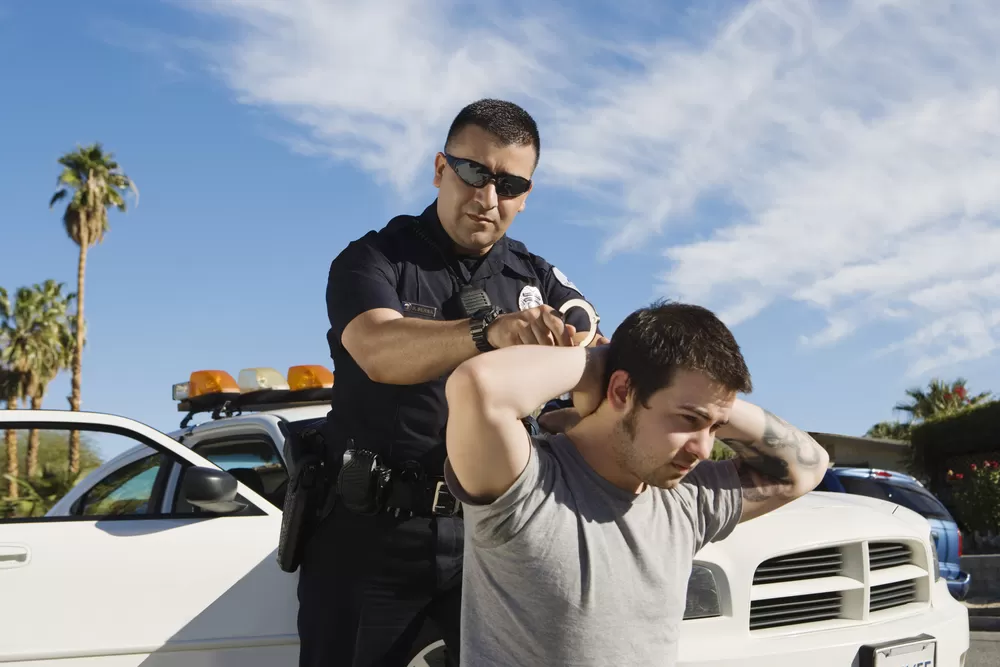
An arrest is stressful, confusing, and intimidating—especially if you’ve never been through the criminal justice system before. In that moment, many people in Hickory, North Carolina, feel an urge to explain themselves or “clear things up.”
Unfortunately, what you say after an arrest can have a lasting impact on your case—often in ways people don’t expect. Knowing what to say (and what not to say) can protect your rights and your future.
The Most Important Rule: You Do Not Have to Explain Yourself
After an arrest, you have the constitutional right to remain silent. Exercising that right is not an admission of guilt—it’s a legal protection.
Police are trained to gather evidence. Even seemingly harmless statements can be misunderstood, taken out of context, or used to support charges later.
What You Should Say After an Arrest
In most situations, the safest and most effective statement is simple and clear:
“I am exercising my right to remain silent, and I would like to speak with an attorney.”
Once you say this:
-
Stop answering questions
-
Do not elaborate or explain
-
Repeat the request if questioning continues
This statement protects you and signals that you understand your rights.
What You Should NOT Say to Police
Many people unintentionally hurt their case by saying things they believe will help. Common mistakes include:
-
“I didn’t do anything wrong.”
This can invite follow-up questions and contradictions. -
“I was just…” or “It was only…”
These statements often admit elements of an offense. -
Guessing or filling in gaps
Stress causes people to guess—guesses can be treated as facts. -
Trying to talk your way out of the arrest
Once an arrest has happened, explanations rarely stop charges.
Casual Conversations Still Count
Anything you say can potentially be used against you—including statements made:
-
In patrol cars
-
In holding cells
-
To jail staff
-
On recorded phone calls
-
To friends or family if overheard
Many people don’t realize that jail calls are routinely recorded and monitored. Conversations you believe are private often are not.
“Being Polite” vs. Protecting Yourself
You can—and should—be respectful without giving up your rights. Staying calm and compliant does not require answering questions about the incident.
You may provide:
-
Your name
-
Basic identifying information (when legally required)
Beyond that, you are not obligated to discuss the case.
Why Silence Often Helps Your Defense
Remaining silent:
-
Prevents self-incrimination
-
Avoids inconsistencies in statements
-
Preserves defense strategies
-
Gives your attorney control over communication
Many cases are won—or resolved favorably—because early statements were never made.
When to Speak: With Your Attorney
Your attorney is the one person you should speak freely with about your case. A Hickory, NC criminal defense attorney can:
-
Assess the evidence against you
-
Communicate with law enforcement on your behalf
-
Protect your rights during questioning
-
Help you avoid mistakes that can’t be undone
The Bottom Line
After an arrest, silence is a strategy—not a mistake. The first hours and days matter, and what you say can shape the direction of your case before it ever reaches a courtroom.
If you or a loved one has been arrested in Hickory or surrounding communities, getting legal guidance early can make a meaningful difference.
Contact King & Rowe, Attorneys at Law
If you’ve been arrested or questioned by police, early legal advice can help protect your rights and your future.
King & Rowe, Attorneys at Law
📍 Serving Hickory, NC and surrounding communities
📞 Phone: 828-466-3858
📧 Email: kingrowelaw@gmail.com
🌐 Website: www.kingrowelaw.com